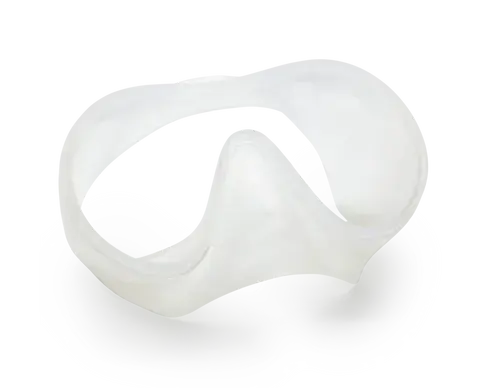
Formlabs Elastic 50A Resin V2 (Form 3) - 1L is the softest engineering material in the Formlabs library, specifically designed to simulate the feel and performance of silicone. With a 50A Shore durometer, this resin is engineered for the Form 3 ecosystem to produce parts that can bend, stretch, and compress repeatedly without tearing. Consequently, it is the ideal choice for Australian product designers and medical professionals requiring high-fidelity prototypes of wearables, gaskets, seals, and soft-tissue medical models that require a high degree of elasticity and transparency.
Simulate Silicone with Formlabs Elastic 50A Resin V2 (Form 3) - 1L
The Formlabs Elastic 50A Resin V2 (Form 3) - 1L provides a unique combination of high elongation and high energy return. This material allows for the creation of complex geometries that would be impossible to produce through traditional silicone moulding. Furthermore, the resin’s translucent finish is perfect for medical applications where internal visibility is required, or for consumer products where aesthetic transparency is a key design requirement. Its ability to return to its original shape after significant deformation makes it indispensable for impact-absorbing components and ergonomic grips.
Technical Performance and Material Properties
Whilst prioritising flexibility, the V2 formulation ensures parts are durable enough for functional testing. The following properties are achieved after a 20-minute post-cure in a Form Cure:
| Mechanical Property | Value (Post-Cured) |
|---|---|
| Shore Hardness | 50A |
| Ultimate Tensile Strength | 3.2 MPa |
| Tensile Modulus | 1.6 MPa |
| Elongation at Break | 160% |
| Tear Strength | 19.1 kN/m |
Optimised Workflow for Soft Materials
Printing with Formlabs Elastic 50A Resin V2 (Form 3) - 1L requires careful attention to post-processing to maintain the desired surface feel. Parts should be washed in Isopropyl Alcohol (IPA) for 10-20 minutes. Because soft resins can be more delicate during the wash cycle, using a Form Wash is highly recommended for consistent results. Australian labs utilising this material for medical simulation benefit from its compatibility with specific sterilisations, allowing for more realistic surgical planning and anatomical training models.