FDM (Fused Deposition Modelling)
Ideal for prototyping and functional parts using thermoplastics.


Engineers and designers can quickly create prototypes, test designs, and make modifications without expensive tooling.

Industries like aerospace, automotive, and healthcare use 3D printing for specialized parts and small-batch manufacturing.

Manufacturers print custom tools, fixtures, and jigs to streamline production processes and reduce lead times.

End-Use Parts
Some companies now use 3D-printed parts directly in final products, especially for lightweight, complex geometries.
Spare Parts and On-Demand Manufacturing
Instead of storing large inventories, companies can print replacement parts as needed, reducing storage costs.
Uses only the material needed, cutting down on excess material costs.
Eliminates the need for moulds and tooling, speeding up development cycles.
Allows for complex, lightweight, and highly optimized structures that are impossible with traditional methods.

✔ Cost Savings
Lower material costs and less need for manual labour in some applications.
✔ Sustainability
Some 3D printing materials are recyclable, contributing to eco-friendly manufacturing.
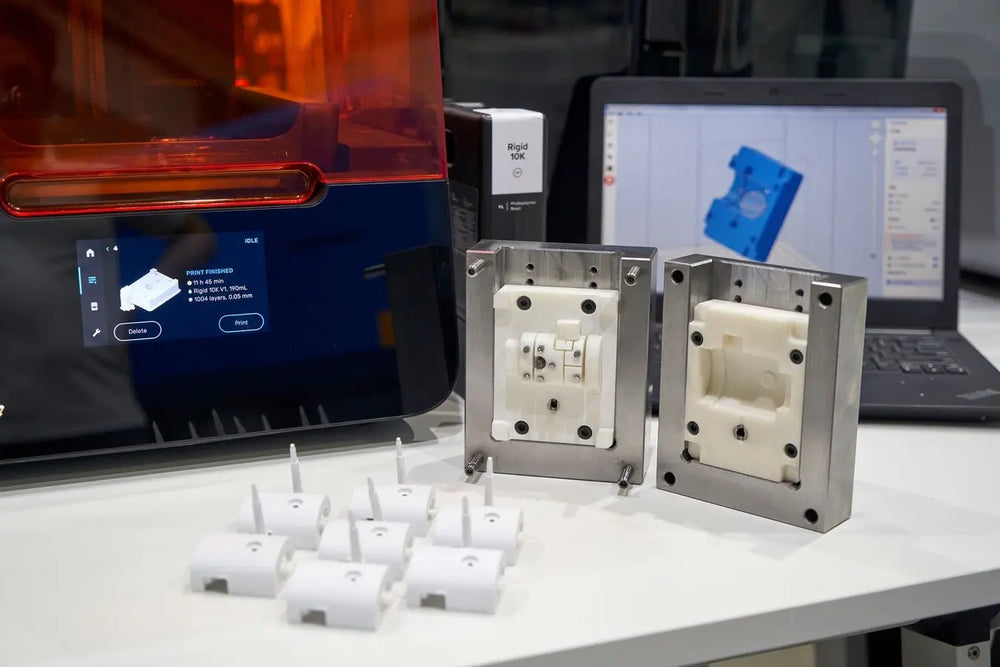
Ideal for prototyping and functional parts using thermoplastics.
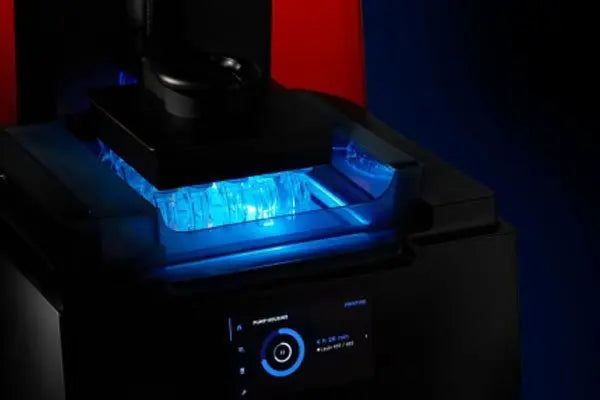
High-detail resin printing for precision components.
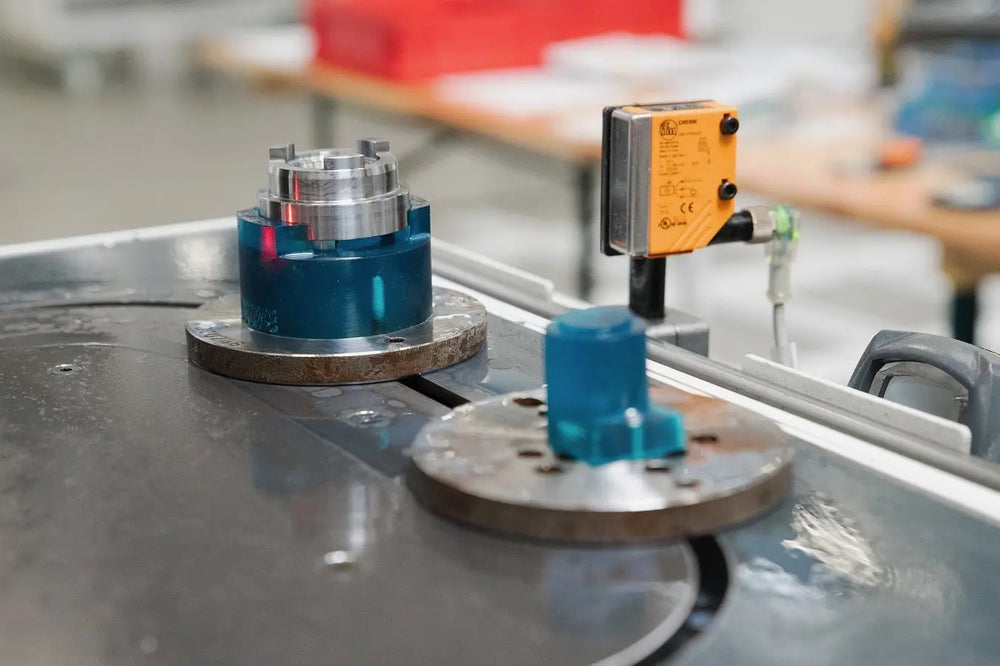
Powder-based methods used for strong, durableindustrial parts.
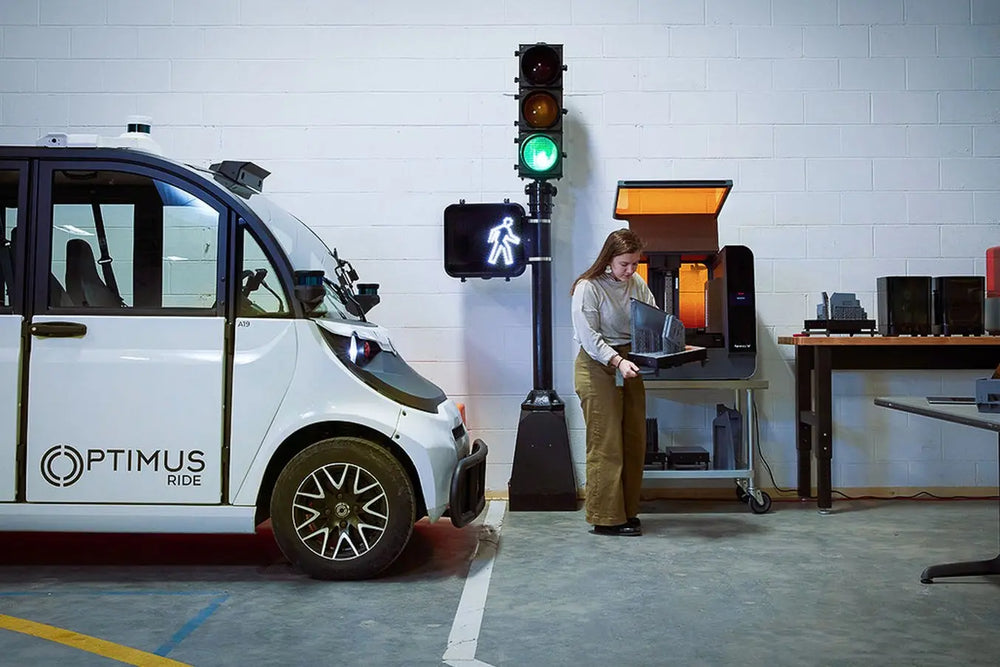
Metal 3D printing for aerospace,medical, and automotive applications.